

✈️ BOARDING PASS · YOUR FIRST 30 DAYS ABROAD
FROM
INDIA
Pre-departure done
✈ · · · · ➜
TO
NEW CITY
Settled and confident
Land, sort the paperwork, then build a routine. A simple week-by-week order that works in almost every country.
FIRST
Days 1 to 3
Connect
THEN
Days 4 to 14
Paperwork
FINALLY
Days 15 to 30
Routine
Your first 30 days abroad can feel like a hundred small tasks arriving at once: a SIM, a bank account, a registration, a health card and a university enrolment. However, most students handle them in the wrong order and end up queuing twice. So this guide gives you a simple order that works in almost every country.
Our pre-departure checklist covers what to do before you fly and your first 48 hours. This post then picks up from there and takes you from day 3 to day 30.
Your first 30 days abroad at a glance
1-3
Days 1 to 3: survive and connect
Reach your housing, get a SIM, tell your family and buy the basics.
4-14
Days 4 to 14: paperwork and money
University enrolment, local registration, a bank account and health cover.
15-30
Days 15 to 30: routine and belonging
Residence permit steps, a budget, a transport pass, friends and work rules.
🧭 Rule of thumb: identity and address documents first, bank and insurance second, comfort and routine third.
Days 1 to 3: land, connect, breathe
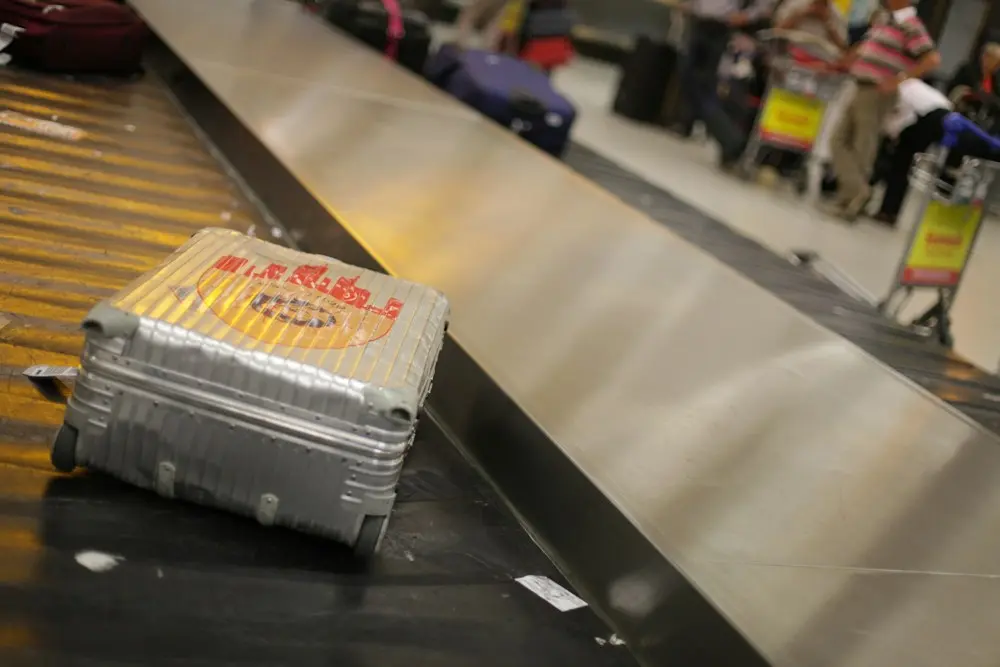
✈️ Your arrival checklist
- Documents: keep your passport, visa papers, offer letter and housing address in your hand luggage, not in the checked bag.
- SIM: get a local SIM. In Germany, by law a prepaid SIM must be linked to a verified identity, so expect to show your passport in store or complete an online ID check.
- Family: message home that you reached safely and share your address.
- Room: reach your accommodation and immediately take dated photos of its condition.
- Basics: buy bedding, kitchen items, an adapter and a few days of food. In Germany most shops close on Sundays, so plan your shop for Saturday.
- Contacts: save local emergency numbers and your university’s international office details.
😴 Jet lag tip: tired people sign things they should read slowly. So do not sign a long tenancy or phone contract in your first two days.
Days 4 to 14: paperwork, bank and health cover
This is the busiest stretch of your first 30 days abroad. Do things in this order, because each step often unlocks the next.
Do it in this order
- Complete university enrolment and orientation. Your student ID usually comes only after registration, and many other steps need it as well.
- Register your address where required. In Germany, register (Anmeldung) within 14 days of moving in. In big cities like Berlin, in-person appointments can be hard to get, so book as soon as you have your landlord’s confirmation (Wohnungsgeberbestätigung).
- Sort your residence document. In the UK, BRP cards are no longer issued: your status is an eVisa in your UKVI account, so link your current passport before you travel. In Germany, apply for your residence permit at the immigration office (Ausländerbehörde) well before the visa in your passport expires.
- Open a bank account. Many German banks ask for your registration certificate, though some online banks do not. In addition, at the start of term, applications can take a week or more.
- Activate health insurance and register with a doctor. In the UK, the NHS says you do not need ID, proof of address or immigration status to register with a GP, though some practices may ask.
- Set up your money plan. If you have a blocked account or a monthly transfer, link it to your local account. Our money transfer guide explains the options.
Keep digital and paper copies of every confirmation letter, because offices abroad often ask for the same document three times.
If you are unsure about any step, your university’s international office is the best first stop. After all, they see the same questions every term.
Days 15 to 30: routine, budget and belonging
🗓️ Your second-fortnight list
- Permit: finish any residence permit steps. In Germany you book an immigration office appointment; elsewhere it is often handled through the visa process.
- Work rules: check your work-hour limits before taking any job, and apply for a tax or national number only if you plan to work.
- Travel: buy a student transport pass or travel card.
- Budget: set a monthly budget and track spending for two weeks.
- Bills: set up rent payments and utilities.
- Campus: explore the library, career centre, counselling service and student societies.
- People: plan one social activity a week, even if you feel tired.


LOOK AFTER YOURSELF
Homesickness is normal, and it eases
For many students, homesickness or culture shock hits once the first excitement wears off, often within the first few weeks. Fortunately, it usually eases as routines form. Call home on a schedule, sleep properly and cook one familiar meal a week. If you still feel low, use campus counselling early.
How your first 30 days abroad differ by country
| Country | First-month quirk |
|---|---|
| 🇩🇪 Germany | Address registration within 14 days comes first. It often unlocks the bank account. After that, you apply for your residence permit before your entry visa expires. |
| 🇬🇧 UK | Your eVisa, a bank account and GP registration are the big three. At degree level you can work up to 20 hours a week in term time, but check the conditions on your eVisa. |
| 🇺🇸 USA | You can apply for a Social Security number only once you have a job offer or work authorisation, such as an on-campus job. Enrolling alone does not qualify you, so follow your international office. |
| 🇨🇦 Canada | First, get a Social Insurance Number before you work. If your study permit has the work condition, you can work off campus up to 24 hours a week in term without a separate work permit. Health cover depends on your province. |
Keep in mind that these are broad patterns. In fact, rules differ by city and university, so follow your international office’s checklist first.
Scams and mistakes to avoid in your first 30 days abroad
🎣 Scams newcomers face
- Fake landlords asking for a deposit before you see the room
- Fake officials who say your visa has a problem and ask for payment
- Job offers that ask you to pay first
- Fake university fee emails that ask you to pay a new bank account
⚠️ Mistakes to avoid
- Paying rent in cash with no receipt
- Skipping health insurance activation
- Forgetting to carry original documents to appointments
- Taking a job before checking your work limits
- Isolating yourself in the first two weeks
First 30 days abroad: FAQs
What should I do first after landing?
Get connected with a SIM, reach your housing and keep your documents safe. Then start the paperwork from day 4.
When should I open a bank account?
Within your first two weeks, once you have the documents the bank asks for. In some countries, such as Germany, address registration often comes first.
How long does it take to settle in?
Most students have a routine by week four. However, full comfort often takes a few months.
Can I work in the first month?
Only if your visa allows it and you have completed any registration steps. So check your work-hour limit first.

Need support before you fly?
Learner Aid guides students through admissions, visas and pre-departure planning. Talk to our counsellors if you want a personal arrival plan.
Sources
- Bundesnetzagentur: ID checks for prepaid SIM cards
- Service Berlin: Registering an address (Anmeldung)
- Make it in Germany: After arrival
- GOV.UK: Online immigration status (eVisa)
- NHS: How to register with a GP surgery
- SSA: International students and Social Security numbers (PDF)
- IRCC: Work off campus as an international student
- University of Glasgow: New student checklist
- YourWeg: First 30 days in Germany for international students
Rules change and differ by city and university. Confirm each step with your international office or the official page.