

STUDY ABROAD INTERVIEW PREP · USA · UK · AUSTRALIA · CANADA · GERMANY
University and Visa Interview Prep for Indian Students
What university and visa interviews really test, the questions to expect by country, and how to answer honestly and clearly.
2 interview types 5 countries 4-step answer framework Sample answers
The two kinds of study abroad interview
A study abroad interview comes in two forms, and they test different things. A university interview checks your fit for the course. By contrast, a visa interview checks that you are a genuine student with the money and a clear plan.
INTERVIEW 1
University interview
Run by admissions or a faculty member. It tests motivation, subject knowledge and communication.
INTERVIEW 2
Visa interview or check
Run by a consular officer or visa assessor. It tests your study plan, your funds and your ties to home.
| Interview | Who runs it | What it tests | Where it appears |
|---|---|---|---|
| University interview | Admissions or a faculty member | Motivation, subject knowledge, communication | Some UK, US and MBA programmes |
| US F-1 visa interview | Consular officer | Study plan, funds, ties to home | At the US consulate |
| UK credibility interview | Home Office staff, usually by video | Genuine student, English, funding | Selected applicants |
| Australia Genuine Student check | Department assessors, with written answers | Study intentions and circumstances | Every student visa application |
| Canada and Germany | Mostly document review | Funds, admission, study plan | Interview only if requested |
The common thread is consistency. Your statement of purpose, documents, social media and spoken answers must tell the same story, because officers compare them.
University interviews: what to expect

Typically, a university interview is a conversation of 15 to 30 minutes, often on video. In short, the interviewer wants to know that you understand the course and can communicate clearly.
It is not a trick test. However, vague answers cost points.
| Typical question | What it tests | How to prepare |
|---|---|---|
| Why this course? | Motivation and fit | Link your past study or work to two specific modules |
| Why this university? | Research done | Mention a faculty member, lab, placement scheme or facility, not the ranking |
| Tell me about a project you worked on | Depth of knowledge | Pick one project and explain your role, a problem and the result |
| Where do you see yourself in five years? | Clarity of goals | Give a realistic step, such as a role type and a sector |
| How will you fund your studies? | Planning | State the sources plainly and be ready for follow-ups |
For technical or MBA programmes, expect a subject question or a short case. So revise your core subjects, and practise explaining ideas aloud in plain English.
📄 Habit 1: re-read your SOP
Re-read your statement of purpose before the interview, because the interviewer often uses it as a script.
❓ Habit 2: ask two questions
Prepare two questions to ask them, such as how students are supported in the first term.
Study abroad interview rules by country: the visa stage
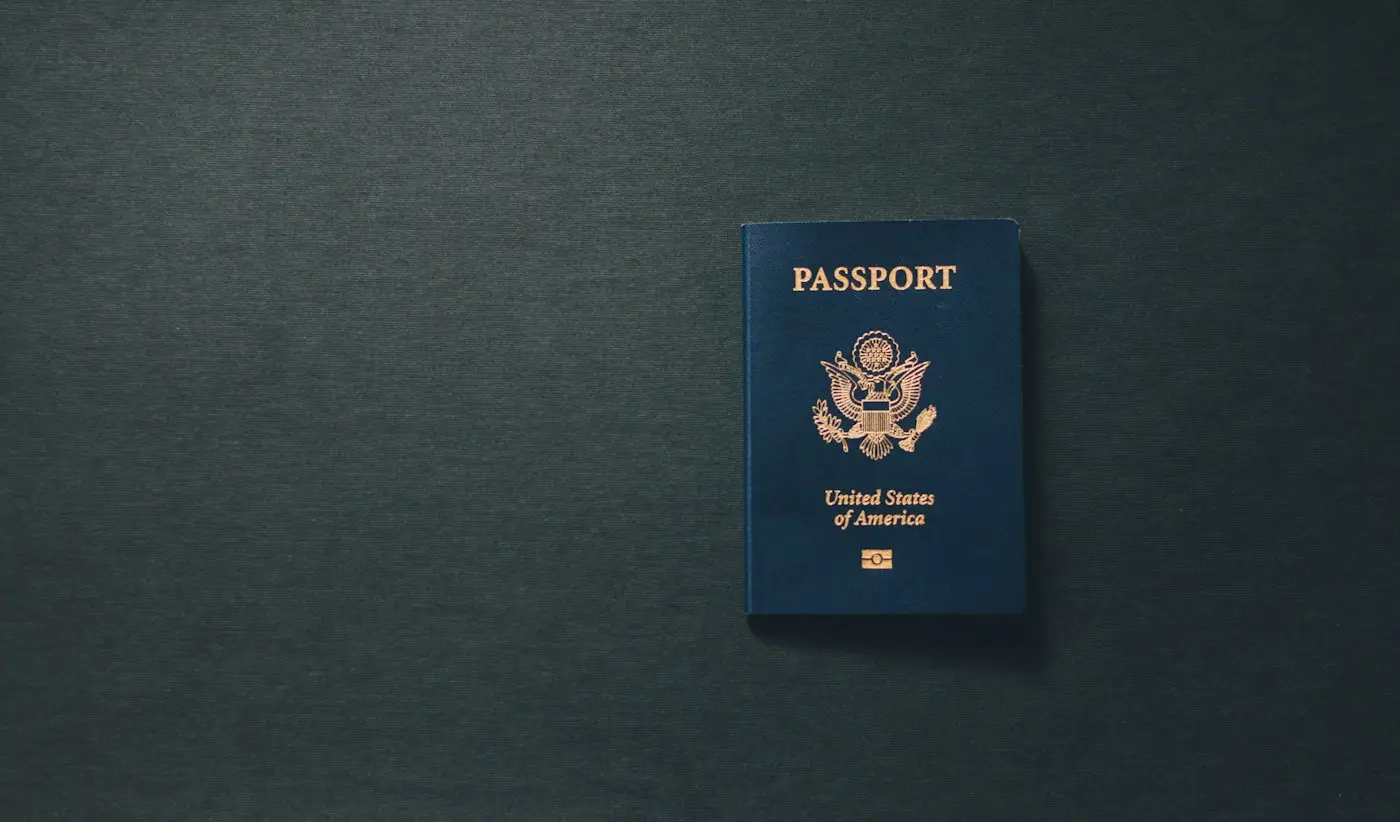
🇺🇸 USA: F-1 visa
The F-1 interview is short. Applicants commonly report about 2 to 5 minutes at Indian consulates, with 5 to 8 questions, although this is experience rather than an official figure.
From 2 September 2025 the US State Department ended interview waivers for most visa categories, so nearly all F-1 applicants now attend in person.
In addition, online presence matters. Since June 2025, F, M and J applicants are told to set all social media profiles to public, and the DS-160 has asked for social media handles used in the past five years since 2019. As a result, officers may ask about what they see.
Overall, expect questions on your university choice, funding, ties to India and plans after graduation. Our F-1 interview questions post covers this country in more depth.
🇬🇧 UK: credibility interview
The Home Office may interview selected Student visa applicants to check that they are genuine, credible students. A university guide says the first interview is usually a video call with staff in the UK, in English.
Missing the interview without a good reason leads to refusal.
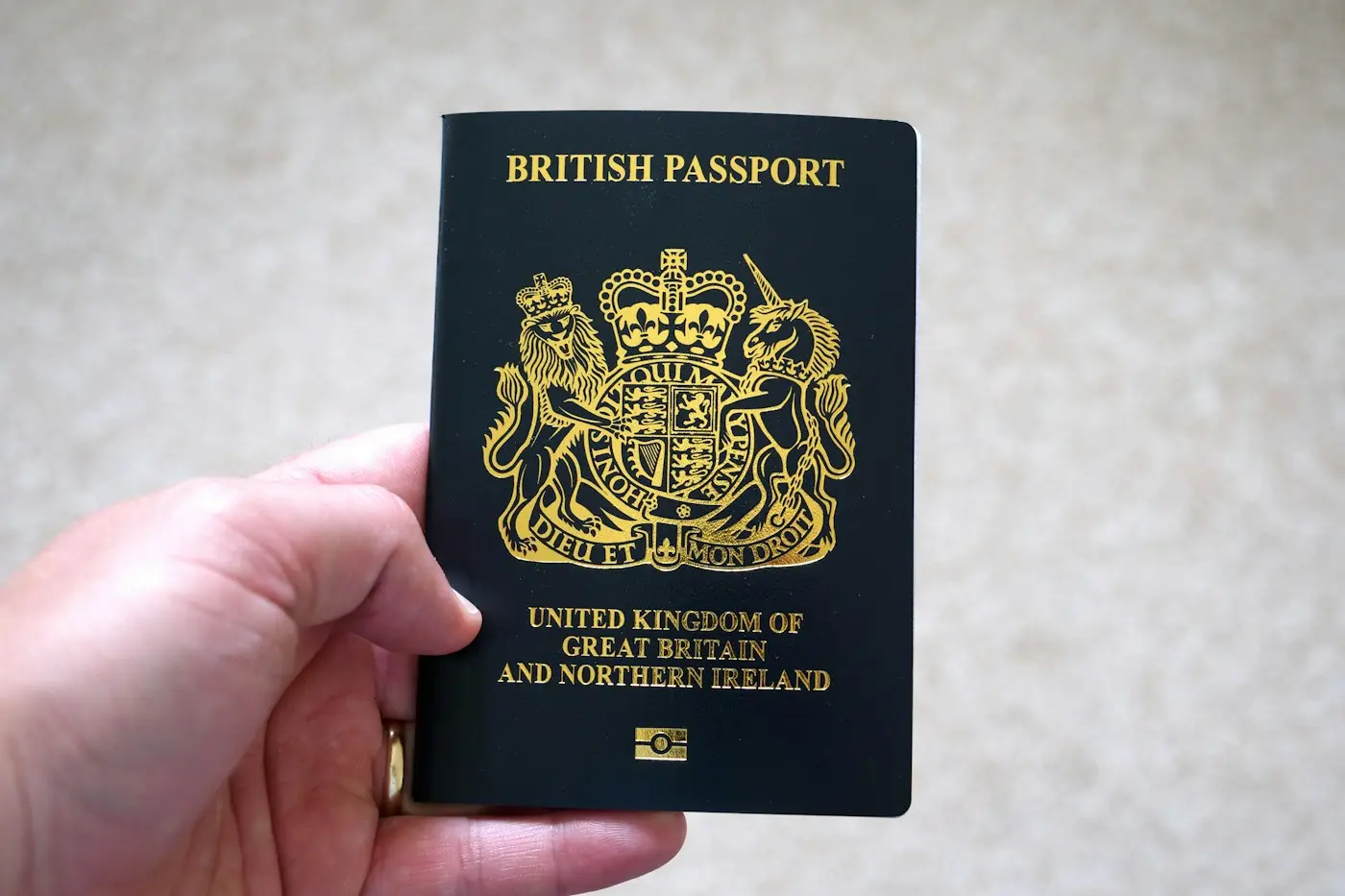
In general, the usual areas are why you chose the UK and the course, how you will pay, your plans after graduation, your immigration history and the 20-hour work limit. Also, ask for a copy of the transcript at the end.
🇦🇺 Australia: Genuine Student requirement
For applications lodged from 23 March 2024, Australia replaced the old Genuine Temporary Entrant test with a Genuine Student requirement. In practice, it is mainly a set of written answers in the visa form.
In particular, assessors look at why you chose the course and provider, your academic and work history, your family and financial ties, and your immigration history. Therefore, answers must be consistent and honest, because unexplained refusals or gaps raise doubts.
🇨🇦 🇩🇪 Canada and Germany
Canada decides most study permits on documents, so your study plan and proof of funds carry the weight. Similarly, Germany’s consulate checks your admission, blocked account and plans.
Interviews are still possible in both cases. So prepare the same answers as for the other countries and check the official page for your consulate.
A simple framework to answer any study abroad interview question

Ideally, use the same four-step structure for almost every question. As a result, you stay short, specific and honest.
01
Step one
Answer first
Give the direct answer in one sentence.
02
Step two
Give one reason
Add the main reason, with a fact such as a module, a number or a date.
03
Step three
Show proof
Point to something real, such as a project, a document or a result.
04
Step four
Stop
Do not fill the silence. Instead, wait for the next question.
Sample answers (adapt, do not memorise)
Q: Why this course?
“I want to move from general software work into machine learning. This course has a core module on applied ML and a thesis, which fits the project I did on demand forecasting last year.”
Q: How will you pay for your studies?
“My parents will fund the first year from savings and a bank loan that is already sanctioned. I have the loan letter and the account statements with me.”
Q: What will you do after your studies?
“I plan to work for two to three years in the industry where I trained, and then return to India to join or build a business in the same field. My family business is also here.”
These are templates. Replace every detail with your real facts, because officers can test a rehearsed answer with one follow-up question. Honesty also matters if your plans are uncertain: it is better to say you plan to gain experience and keep options open than to claim a plan you cannot explain.
Documents, delivery and mistakes to avoid
First, carry the originals and one set of copies, organised in a folder you can open quickly.
🗂️ Your document folder
- Passport and the visa application confirmation
- Offer letter and the university’s visa document (I-20 or CAS)
- Academic transcripts, certificates and test scores
- Proof of funds: bank statements, loan sanction letter, sponsor income documents and scholarship letters
- Fee payment receipts, including the SEVIS fee (US$350 for F-1) for the USA
🎙️ On the day
Above all, speak at a steady pace, make eye contact and answer the question you are asked.
Do not interrupt, and do not hand over papers unless the officer asks.
In practice, these are the mistakes that most often lead to trouble.
- Memorised scripts that fall apart after one follow-up
- Mismatched numbers, such as a loan amount or tuition that differs from your documents
- Social media that contradicts your story, or old posts you have not reviewed
- Sudden deleting of accounts, which can look like hiding something
- Over-explaining or arguing with the officer
- Claiming a plan you cannot explain in detail
Practise out loud with a friend or a counsellor, record yourself once, and then fix the habits you notice, such as filler words or long pauses.
Study abroad interview FAQs
How long does a US F-1 visa interview last?
Applicants commonly report about 2 to 5 minutes at Indian consulates, with 5 to 8 questions. There is no official length, so be ready to make your case quickly.
Do I have to attend the F-1 interview in person?
Almost certainly. From 2 September 2025 the State Department ended interview waivers for most applicants, so check the consulate page for your case.
What happens if I miss a UK credibility interview?
Missing it without a good reason leads to refusal, so check your email often, including the junk folder.
Is Australia’s Genuine Student test an interview?
It is mainly a written assessment of your circumstances and study plan, although universities may also interview applicants. Either way, keep your answers consistent and honest.
Can I use notes in a visa interview?
Do not read from notes. Instead, bring your documents and answer in your own words.
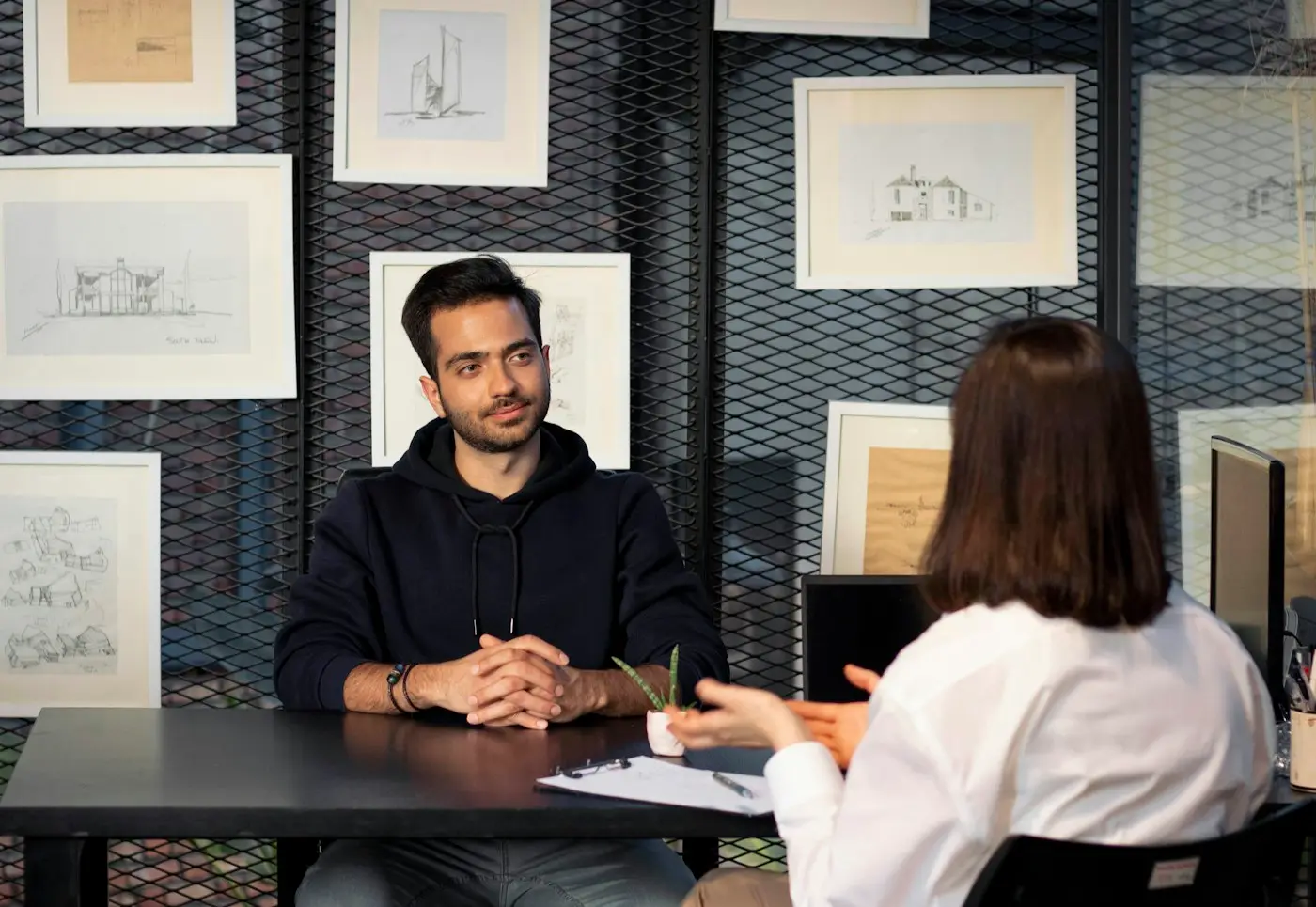
Need practice?
Book a free mock interview for your country
Learner Aid counsellors can run a mock interview for your country and give you feedback on your answers.
Sources (9)
- F-1 Visa Interview Questions and Answers (InternationalStudent.com)
- F1 Visa Interview Questions India 2026 (WaitDelta)
- Interview waiver update, 25 July 2025 (US State Department)
- Expanded screening and vetting for visa applicants, June 2025 (US State Department)
- I-901 SEVIS fee (ICE)
- UKVI Credibility Interview Guide, January 2026 (University of the West of Scotland)
- Student route caseworker guidance (GOV.UK)
- Genuine Student requirement in 2026 (AHC Lawyers)
- Genuine Student requirement (Department of Home Affairs)
