

(Until 2 AM in a Foreign Kitchen)
You spent a year obsessing over rankings, GPA cutoffs and visa documents. You read every “Top 10 Universities” listicle on the internet. Your consultant gave you a 47-slide deck. Meanwhile, your parents have called every uncle in three countries.
And then you land.
You unpack your suitcase into a 4-square-foot hostel room. Your roommate from Vietnam asks what you cooked because “the whole floor smells amazing.” Suddenly you realise something. Nobody actually told you what this was going to feel like. Not the brochures, not the YouTubers, not even your seniors back home.
This blog is the conversation they should have had with you. It’s drawn from a few thousand Learner Aid students who have already lived it. Below, you’ll find 23 honest, sometimes hilarious, occasionally heartbreaking things you’ll learn while studying abroad. Most of them, of course, are outside the classroom.
Act 1: The first three months

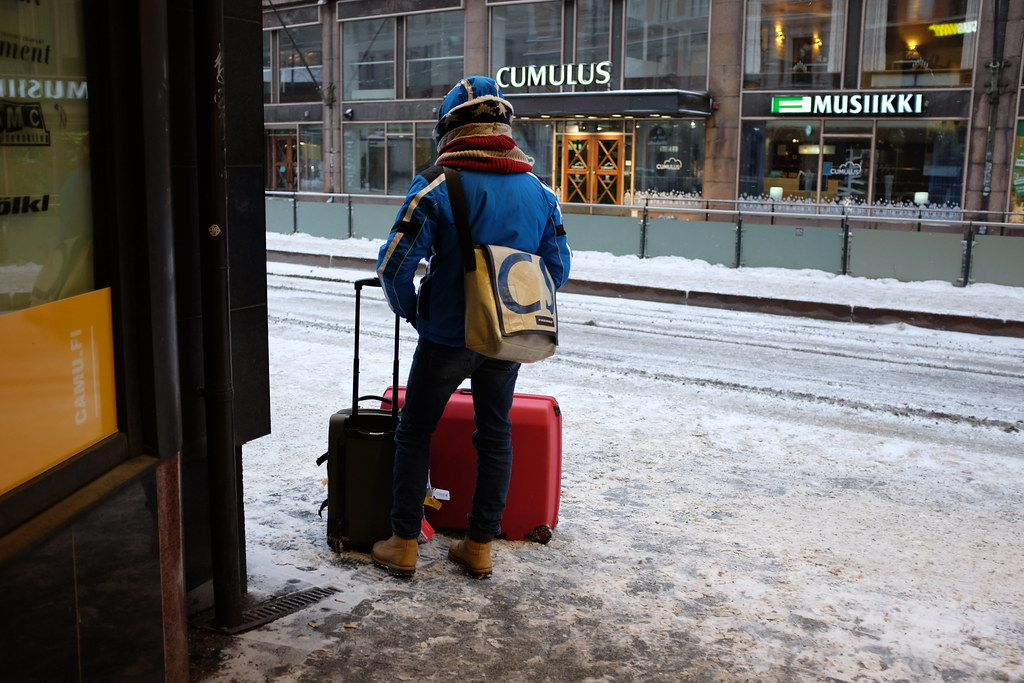
These are the study abroad lessons that hit Indian students before academics ever do.
1. Your relationship with money will change forever.
The first time you mentally convert a $7 sandwich into ₹600, you’ll feel a small piece of your soul leave your body. The second time, mildly nauseous. By month three, you’ll have stopped converting altogether. Around month six, you’ll spend $7 on a single oat-milk latte like a maniac. Eventually, by graduation, you’ll come home to India and feel like Mukesh Ambani at every chai stall.
Real tip: Stop currency-converting after week 2. Honestly, it’s making you miserable and it pushes you toward worse financial decisions. Instead, set a monthly budget in local currency and pretend rupees don’t exist until you fly home.
2. You will become an excellent cook. Not by choice.
Three weeks of $15 takeout will turn you into someone who roasts cumin seeds at 11 PM on a Wednesday. Soon you’ll text your mom for the rajma recipe with the urgency of a hostage negotiator. By March, you’ll be making whole meals from scratch. Eventually by December, your non-Indian classmates will literally schedule themselves into your kitchen.
Real tip: Pack a small steel pressure cooker, a pre-loaded masala dabba with your six essential spices, MDH/Everest sachets of two favourites, and plenty of packets of Maggi and Maggi masala for emotional emergencies.
3. Loneliness hits hardest on the most ordinary days.
Not on Diwali. Not on your birthday. Instead, it hits on a Tuesday in February when you walk home from the library at 9:30 PM, see your breath in the air, and realise you haven’t had a conversation in your mother tongue in 47 days.
Real tip: Identify two “regulars” in your first month. For instance, a gym, a chai-and-study spot, a Sunday call home, or a Saturday community event. Ultimately, loneliness loses to rhythm.
4. Your parents will video-call you while you’re on the toilet.
Time zones break parents. The 9:30 AM India call lands at 11 PM your time. Meanwhile, the Sunday brunch call from your grandmother arrives at 3 AM Saturday morning. They will FaceTime you while you are, in fact, peeing. You’ll answer. Multiple times.
Real tip: Set a fixed weekly family call on a recurring time. Frame it as commitment, not restriction. Honestly, parents respect a schedule far more than they respect “I’m busy.”
5. “Networking” is a real word, and you’ll have to learn it without dying inside.
The first time someone hands you their LinkedIn QR at a “Coffee Chat” event, you’ll feel like a door-to-door salesperson. However, by month four, you’ll be the one handing it out. By graduation, you’ll have done 100+ informational interviews and you won’t even blink. After all, the Western job market runs on this. “I just want a job” gets you nowhere. On the other hand, “Could I have 15 minutes to learn about your career path?” gets you everywhere.
Real tip: Build your LinkedIn before you even fly. Specifically, by Day 1 abroad your profile should already have your new university tagged and your “Open to Work” badge primed for graduation year.
6. Your accent becomes a Schrödinger’s accent.
Two weeks in, Indians say you sound “very British / very American / very Australian already, ya?” However, two months in, locals say “I love your accent, where are you from?” You exist in a permanent linguistic uncanny valley and nobody can tell what you sound like anymore. Not even you.
Real tip: Don’t perform an accent. After all, people can hear effort, and they hear authenticity faster. Just speak clearly. Slow down by 10%. That’s the whole secret.
7. Group projects reveal your real character.
Indian college trained you to deliver alone, last minute, on caffeine and stress. International group projects, by contrast, require Slack updates, shared Google Docs, calendar invites, 50-50 splits, and feedback that sounds suspiciously like a therapy session. Eventually you’ll discover what “I’ll handle it” sounds like when said by five people, none of whom mean it.
Real tip: Volunteer for the first task in every group project. After all, the first volunteer sets the tone, owns the calendar, and quietly earns the leadership halo for the whole semester. (Recruiters notice this on a resume.)
Act 2: Finding your feet

By month four, the real survival skills of studying abroad kick in.
8. There will be one Indian senior who genuinely saves your life.
You’ll never fully repay them. Typically, they’ll loan you their car, hand down their pressure cooker when they graduate, drive you to urgent care at 2 AM, and explain to you how OPT, PGWP, or the Graduate Route actually works because the international office didn’t. Of course, your only real job is to do the same for the batch below you.
Real tip: Within your first 30 days, find your Indian Students Association on WhatsApp and Instagram. Join everything. Listen more than you speak. Eventually, the seniors will adopt you.
9. The Indian grocery store is sacred ground.
The smell of MDH. That rack of Parle-G. Frozen parathas in the freezer aisle. Honestly, you didn’t know you could miss India this specifically until you didn’t have it. Soon you’ll travel 45 minutes by bus across town just for atta. Naturally, you’ll buy 5 kg sacks like you’re prepping for an apocalypse. Of course, photos of the haul will go straight to your mom on WhatsApp.
Real tip: Google “Indian grocery store near me” in Week 1. Save it to maps. Then make a monthly pilgrimage with your hostel-mates. Split the Uber. Bulk-buy. After all, the economics of pulses and spices at India-stores is enormous.
10. Laundry is genuinely harder than it looks.
A single white sock plus one new red T-shirt will turn an entire week’s laundry pink. Meanwhile, hot water will shrink your favourite kurta to doll size. The dryer will eat exactly one sock per cycle as cosmic tax. Eventually, over a single semester, you’ll ruin enough clothes to outfit a small village.
Real tip: Whites, lights, darks. Cold water by default. Also, air-dry anything with stretch or colour you care about. Check pockets too. After all, phones do not survive a wash cycle.
11. Public transport will rewire your brain.
In India, the bus comes when it comes. Abroad, however, the bus comes at 7:42 and you’d better be there by 7:41. Soon, you’ll learn the unspoken rules. For example, stand right on escalators in London. Similarly, don’t stop dead in the middle of a Toronto subway corridor. Also, never sit next to a stranger in an NYC subway if any other seat is open. After this, you will never look at Indian traffic the same way again.
Real tip: Download the local transit app on Day 1 and get the monthly pass within your first week. Honestly, it pays for itself inside 10 rides.
12. The weather will gaslight you.
“It’s 3°C today.” Naturally, that sounds fine. Then a Boston wind hits your face and you understand that wind-chill is a real number, your nose can freeze in 90 seconds, and that fluffy IKEA jacket your mom bought in Indore is, in fact, not a coat. Meanwhile, in summer, Texas heat will make Indore feel temperate.
Real tip: Buy your real winter coat AFTER you land. It’ll be cheaper, warmer and country-appropriate. Then layer like you mean it: thermals, tee, sweater, coat. Also start vitamin D supplements from Day 1 if you’re going north of 40° latitude.
13. Getting sick abroad is a whole new ballgame.
Crocin doesn’t exist. Instead, it’s called paracetamol or acetaminophen, and you’ll ask for it by brand: Tylenol or Panadol. Moreover, you can’t walk into a chemist and self-prescribe. In fact, a simple GP visit can cost $200 without insurance. And the receptionist will say “do you have a nine-to-eleven on Tuesday?” instead of “doctor saab milenge abhi?”
Real tip: Read your student health insurance booklet on Week 1. Yes, all of it. Then find your nearest urgent care AND your campus health centre before you ever need them. Carry a basic India kit too. Paracetamol, ORS, antacid, Betadine, thermometer.
14. You will learn what “small talk” actually is.
Indians do “how was your week, beta?” small talk. Westerners, by contrast, do “how about that game last night, eh?” small talk. The first gets blank stares. The second, however, gets you invited to Friday drinks. Honestly, small talk isn’t fluff abroad. Instead, it’s social currency. The faster you accept that, the faster doors open.
Real tip: Memorise three openers for the local culture. For example, a weather line, a weekend line, a current-event line. Use them ruthlessly. Smile big. Make eye contact. After all, that’s 80% of “being likeable” in a Western workplace.
15. Your social-media usage will quietly become a problem.
You’ll Instagram-stalk schoolmates living their best lives in Bangalore at 4 PM your time, while you’re in a windowless library cubicle. Hours will vanish into WhatsApp scrolling. FOMO will hit hard over a wedding you couldn’t have attended anyway. Eventually, your screen time will hit numbers your high-school self would have judged you for.
Real tip: Mute the WhatsApp groups, not the people. Also set a daily app limit on Instagram. Then replace 20% of your doomscroll time with one phone call home. Honestly, you’ll feel infinitely better.
Act 3: Becoming someone new
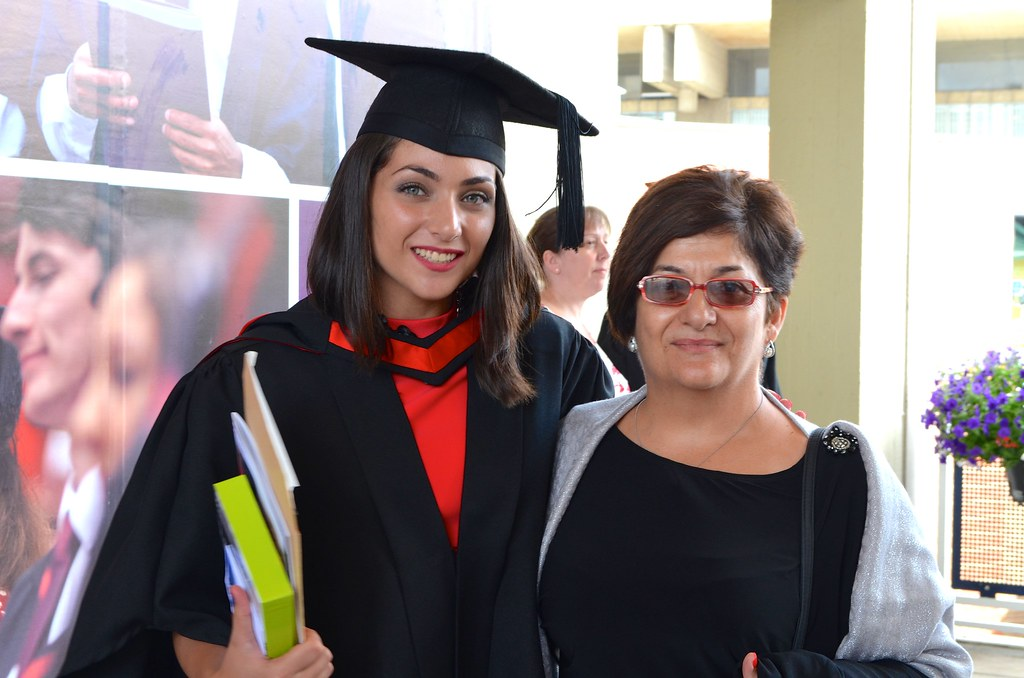
The deepest changes happen quietly, around month six.
16. You’ll romanticise India in ways that surprise you.
The same chaos that drove you to leave will, by month six, feel like a song you didn’t know you loved. For instance, you’ll cry over a single bite of vada pav in a YouTube video. Similarly, you’ll defend Indore biryani to strangers as if your honour depends on it. Eventually, distance turns into devotion.
Real tip: Don’t fight this. After all, it’s part of becoming a global citizen. Cook the food. Play the music. Watch the cricket. Above all, reconnect with your roots while you grow your branches.
17. There is a special grief in missing weddings and funerals.
When your cousin gets married, when a grandparent passes, when your best friend gets engaged, you’ll watch it through a phone screen with the volume low so your roommate doesn’t hear you cry. Honestly, this is the part nobody warns you about.
Real tip: Accept it before it happens. Send a video message. Organise a watch-along call. Light a diya. After all, distance is real but love adapts. Also keep one emergency-return budget aside. Flights home matter more than a new MacBook.
18. The job hunt is the second master’s degree no one warned you about.
Your degree is roughly 30% of the puzzle. The other 70%, however, is a one-page Western resume, an actively-used LinkedIn, a portfolio if you’re in tech or design, mock interviews, behavioural STAR stories, coffee chats and 200+ applications. Typically, Indian students who treat the job hunt as a parallel semester land jobs. Meanwhile, those who wait until graduation usually don’t.
Real tip: Start in your first semester. Get your resume reviewed at the campus career centre (it’s free). Then apply to one internship every weekday from January onwards. After all, the OPT, PSW, or Graduate Route clock starts the moment you graduate. Every wasted month is one less month to find work. For deeper help, see Learner Aid’s end-to-end counselling services at learneraid.com/service/end-to-end-counselling-services.
19. Your relationship with religion, culture and language will shift.
You’ll skip a puja. Sometimes you’ll celebrate Diwali on a Saturday because the actual day fell on a Tuesday with three deadlines. A sentence in Hindi will end in English and you won’t even notice. Questions you never asked will surface. Meanwhile, beliefs you never thought about will quietly reaffirm themselves. Honestly, this is normal and necessary.
Real tip: Don’t let anyone, Indian or otherwise, make you feel guilty about your evolving identity. After all, you’re not “losing your culture,” you’re stress-testing it. Ultimately, the parts that matter will survive.
20. Academics do not equal career.
You’ll know someone with a 4.0 GPA and zero interviews. Meanwhile, you’ll know someone with a 3.4 who lands a Google internship. The new rule, honestly, is “show me what you’ve built,” not “show me your grades.” Specifically, side projects, internships, club leadership, hackathons, and the ability to tell a 90-second story about yourself matter more than your transcript.
Real tip: Don’t choose between marks and experience. Do both. Pick a manageable course load and protect 10 to 15 hours a week for building things outside class.
21. The friends you make in week 1 are often not the friends you graduate with.
In the first month, you cling to anyone who speaks your language. However, by month four, your social circle has reshuffled three times. Typically, the friends who survive past semester one are the ones with shared values, not shared birthplaces.
Real tip: Be generous with first-month friends. After all, they’re going through the same panic. However, don’t lock your circle by Week 3. Stay open until at least the end of semester one.
22. Going home will feel like a vacation AND like visiting a stranger’s house.
Your room will feel small. Meanwhile, the streets will feel loud. Your friends will have moved on. Your parents will have visibly aged. India will feel both more familiar and more foreign than you remember. Honestly, you’ll miss it before you’ve even left again. This emotion is called reverse culture shock, and it’s one of the strangest feelings of your life.
Real tip: Plan your first trip home for at least 2 weeks if you can. Anything shorter, honestly, feels like a slap to your own face. Lower your expectations of “picking up where you left off.” After all, you’ve both changed.
23. You will become someone your 18-year-old self wouldn’t recognise. That’s the whole point.
You’ll be more independent. More patient. Suddenly more aware of what privilege actually means, and what loneliness can do to a person. Eventually better at standing your ground in a meeting. Apologising will come more easily. Being alone will start to feel like a skill, not a punishment. Above all, you’ll be grateful for a hot meal, a call from home, and a roommate who washes their dishes.
That 18-year-old kid who first walked into a Learner Aid office in Indore was chasing a degree. However, the version of you that flies back from Toronto, London, Boston or Berlin two years later? They’ve earned a degree, sure. But the real graduation is the one no transcript shows.
Real tip: Take one photo of yourself at the airport on departure day. Another on arrival day in your new country. One more on graduation day. After all, you’ll want the receipts of who you used to be.
Study Abroad FAQs
Beyond tuition, budget for a deposit on accommodation, groceries, a local SIM, transport, and basic household items. A common rule of thumb is to keep one to two months of living expenses accessible when you land, since your first salary or stipend can take weeks to arrive. Stop mentally converting every price into rupees after the first couple of weeks, or you will second-guess every purchase.
Almost certainly. Eating out daily is expensive in most study destinations, and home food becomes a genuine comfort when you are homesick. Most students go from barely boiling water to confidently making dal, rice, and a few one-pan meals within a few months. Learning three or four simple recipes before you fly out makes the transition far easier.
Loneliness tends to hit on ordinary days rather than dramatic ones. Build small routines, say yes to invitations early on, stay loosely in touch with home without living on video calls, and connect with seniors and student communities. It usually eases as your new place starts to feel familiar, generally after the first few months.
Networking matters more than most students expect, and starting early helps. Attend campus events, talk to seniors, use your university career services, and keep your LinkedIn current. You do not need to be naturally outgoing; consistency and genuine curiosity about people go much further than slick small talk.
For many students it feels like a second degree on top of their actual course. Visa rules, application timelines, and competition all add pressure. Start early, tailor every application, build relevant experience through internships or campus roles, and lean on your university’s career support. Persistence usually matters more than a perfect CV.
That most of the real growth happens outside the classroom. You will learn independence, resilience, budgeting, cooking, and how to sit with discomfort in a new culture. By the time you graduate, you will likely be someone your eighteen-year-old self would barely recognise, and that change is the real point of the experience.
The bottom line
The brochure version of studying abroad is rankings, scholarships and visa interviews. The real version, however, is laundry disasters, 2 AM kitchen smells, 200 LinkedIn requests, one Indian senior who saved you, the WhatsApp call you missed because you were in class, and the version of yourself you didn’t know was waiting on the other side.
If you’re at the start of this journey, whether you’re researching countries, picking universities, or panicking about SOPs, Learner Aid has helped thousands of Indian students through every page of this script. We won’t lie to you about the laundry. However, we’ll make sure you board the right flight, with the right degree, and a plan for the part that actually matters.
Pack the pressure cooker. We’ll handle the rest.
Book a free counselling call with Learner Aid for university shortlisting, SOPs, scholarships, visa support and pre-departure. All under one roof. learneraid.com/contact-us