

COST OF LIVING FOR INTERNATIONAL STUDENTS · 2026 GUIDE
Cost of Living and Part-Time Work: 8 Study Destinations Compared
In short, here is the cost of living for international students, side by side: visa funds, hour caps, minimum wages and what a part-time job can realistically cover in the USA, UK, Canada, Australia, Germany, Ireland, France and New Zealand.
16 Oct 2026 8 countries 9 min read
The cost of living for international students looks very different once you add up what each country lets you earn. This is because hour caps, minimum wages and visa funds vary a lot, so a part-time job that covers most of your rent in one country barely covers groceries in another.
So before you fall for a destination because of its tuition fee, compare the whole picture: what the visa asks you to show, how many hours you can work, and what those hours realistically pay. To help, the table below puts eight popular destinations side by side, and the sections after it explain each one.
48 hrs
Australia: work cap per fortnight, but only while your course is in session
25 hrs
New Zealand: the highest weekly cap on this list
AUD 29,710
Australia: the highest yearly funds figure we compared
47%
Canada: share of refusals linked to missing financial documents
At a glance: cost of living for international students in eight countries
| Country | Funds the visa expects you to show | Work cap in term time | Minimum wage | Gross pay at the cap, per month |
|---|---|---|---|---|
| USA | Set by each university, no national figure | 20 hours a week, on campus only in year one | Campus jobs roughly US$12 to US$20 an hour | About US$1,000 to US$1,700 |
| UK | £1,529 a month in London, £1,171 outside, for up to 9 months | 20 hours a week, full-time in vacations | £12.71 (age 21+) | About £1,100 |
| Canada | CAD 23,448 a year outside Quebec from 1 September 2026 | 24 hours a week off campus | CAD 17.95 in Ontario, CAD 18.25 in BC | About CAD 1,900 |
| Australia | AUD 29,710 a year | 48 hours a fortnight in session | AUD 26.44 from 1 July 2026 | About AUD 2,750 |
| Germany | €11,904 in a blocked account, about €992 a month | 140 full days or 280 half days a year, about 20 hours a week in term | €13.90 | About €1,200 |
| Ireland | €10,000 for a year-long course | 20 hours a week, 40 in holiday windows | €14.15 (age 20+) | About €1,225 |
| France | About €877.50 a month from 1 August 2026 | 964 hours a year, roughly 20 a week | About €12 gross an hour | About €950 to €970, averaged |
| New Zealand | NZD 20,000 a year | 25 hours a week | NZD 23.95 | About NZD 2,600 |
How to read this table: pay figures are gross, before tax. In other words, they assume you work the maximum hours at the minimum wage every week, which most students will not manage. Therefore, convert each amount at the current exchange rate before you compare across countries.
Country by country: the cost of living for international students
To make this easier, we have grouped the eight countries by region, so you can compare the cost of living for international students in neighbouring countries with similar rules.
North America
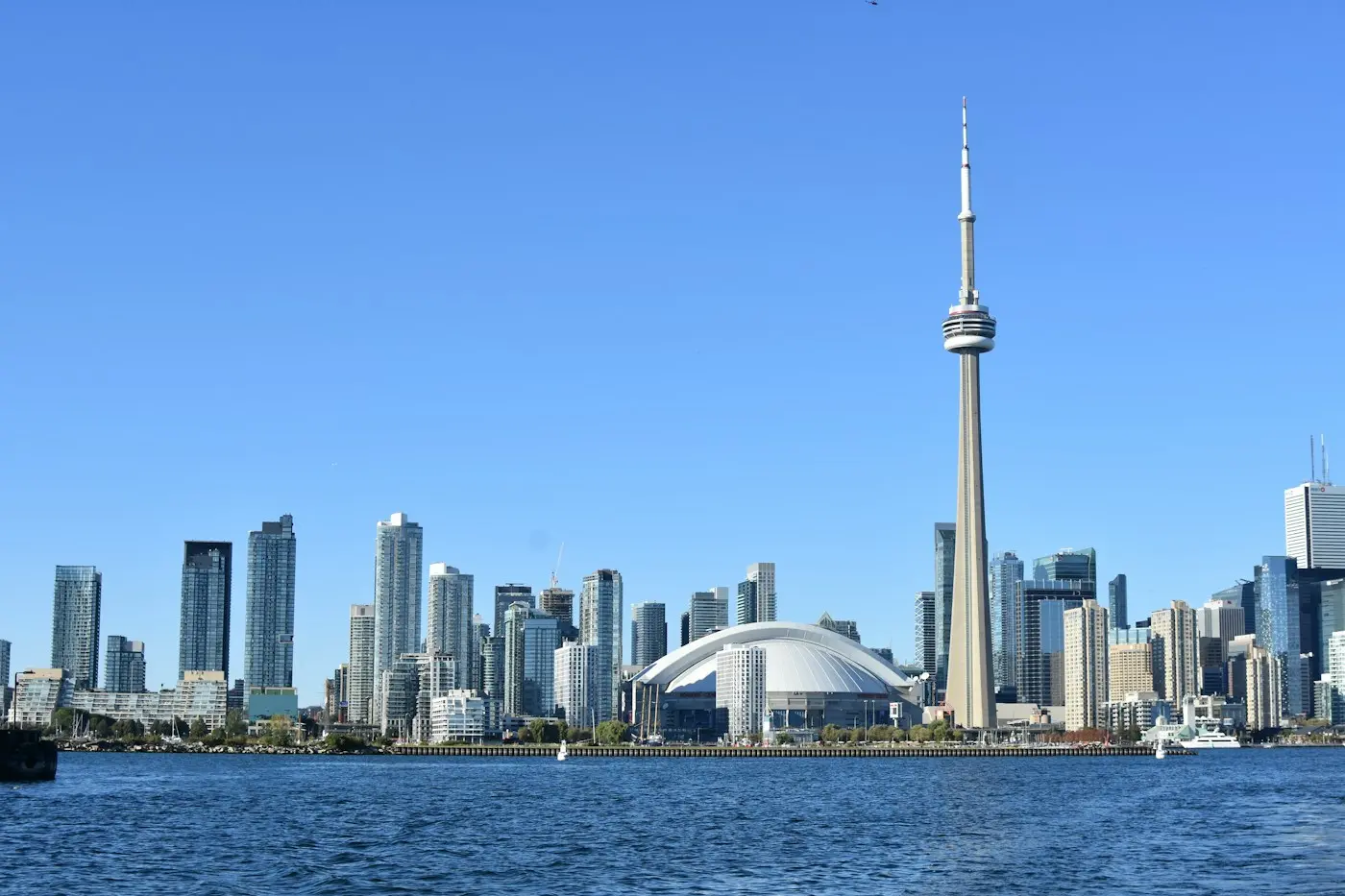
USA: work rules are the strictest
The US sets no national proof-of-funds figure, because each university works out its own cost of attendance. Meanwhile, living costs commonly run from about US$1,200 to US$2,500 a month, depending on the city.
In particular, in your first year the F-1 visa lets you work only on campus, up to 20 hours a week in term and up to 40 in official breaks. In addition, off-campus work needs CPT, OPT or a hardship approval, so there is no general side job to fall back on. For this reason, research and teaching assistantships are where the better pay sits.
20 hrs/week on campus No national funds figure US$12 to US$20 an hour
Canada: higher funds, a 24-hour cap and strict paperwork
First, from 1 September 2026 a single applicant outside Quebec must show CAD 23,448 for living costs, excluding tuition and travel. By contrast, Quebec asks for CAD 24,617.
Second, off-campus work is capped at 24 hours a week in term, after the temporary unlimited-hours policy ended on 2 March 2026. However, on-campus work has no hour limit.
Above all, money matters here more than anywhere. For example, an analysis of nearly 3,000 permit decisions in June 2026 found that 47% of refusals came down to missing financial documents. Our guide to preventing Canada study permit refusals explains how to avoid that.
24 hrs/week off campus CAD 23,448 a year CAD 17.95 to 18.25 an hour
Europe

UK: a clear cap, and funds that are about to rise
To begin with, the UK asks you to show £1,529 a month for London courses or £1,171 a month elsewhere, for up to nine months. Also, for applications made from 30 November 2026 the figures become £1,570 and £1,203.
In term, degree-level students can work 20 hours a week in term and full-time in vacations. Moreover, the adult minimum wage rose to £12.71 on 1 April 2026, but if you are under 21 the rate is £10.85, which changes the maths. Finally, budget for the £776 yearly health surcharge as well.
20 hrs/week in term £1,529 a month in London £12.71 an hour (21+)
Germany: a blocked account and a day-based work limit
To start with, Germany requires €11,904 in a blocked account, which releases about €992 a month. In addition, the work allowance is counted in days, 140 full or 280 half days a year, alongside the usual 20 hours a week in term.
Meanwhile, the minimum wage is €13.90 an hour in 2026 and moves to €14.60 in 2027, and a minijob can pay up to about €603 a month. However, student jobs at universities, often called HiWi roles, sit outside the day count, which is why they are worth chasing early.
140 full days a year €11,904 blocked account €13.90 an hour
Ireland: a generous holiday allowance
On a Stamp 2 permission you can work 20 hours a week in term. Then, you can work 40 hours a week from 15 December to 15 January and from June to September, at a minimum wage of €14.15 for anyone aged 20 and over.
Still, living costs are the catch. TU Dublin estimates €1,363 to €2,176 a month for students living away from home, and Dublin sits at the top of that range. On the other hand, Stamp 2A short courses carry no work rights at all. After graduation, the Stamp 1G route opens full-time work.
20 hrs/week, 40 in holidays €10,000 a year €14.15 an hour (20+)
France: low living costs, but higher funds and fewer benefits
To begin with, France allows 964 hours of work a year, about 60% of full-time hours. At the same time, the visa funds threshold moved from €615 to roughly €877.50 a month for applications from 1 August 2026.
Furthermore, reports say non-EU students without a scholarship lost access to French housing benefits from 1 July 2026, which makes rent harder to offset. On the plus side, outside Paris, student costs in cities such as Lyon, Toulouse and Bordeaux are commonly quoted at €700 to €950 a month. Read our full Study in France 2026 guide for the wider picture.
964 hrs a year About €877.50 a month About €12 an hour
Asia-Pacific

Australia: the best hourly pay, with a fortnightly limit
First, Australia asks for AUD 29,710 a year as financial capacity, the highest figure on this list. On the other hand, the national minimum wage rose to AUD 26.44 an hour on 1 July 2026.
Second, the cap is 48 hours in any fortnight while your course is in session, with unlimited hours in scheduled breaks, and exceeding it is a visa breach. Although a proposal to raise the cap to 60 hours has been discussed, as of late 2026 it has not become law, so plan around 48.
48 hrs a fortnight AUD 29,710 a year AUD 26.44 an hour
New Zealand: the most hours, and a new work limit
Recently, New Zealand raised the student work limit from 20 to 25 hours a week for visas approved from 3 November 2025. In addition, the adult minimum wage has been NZD 23.95 since 1 April 2026.
However, you must show NZD 20,000 a year for living costs on top of tuition. Typically, monthly costs run from about NZD 1,600 to NZD 2,500, with Auckland at the high end. Most importantly, work rights are written into your visa conditions, so check yours before you assume them.
25 hrs/week NZD 20,000 a year NZD 23.95 an hour
Cost of living for international students: can part-time work really cover it?
In reality, part-time work is a top-up, not a funding plan. Every country asks you to show your living funds first, and none of them lets a job replace that proof, so plan the cost of living for international students from savings or loans before counting on wages.
Even so, the comparison is useful, because it shows how much of the monthly funds figure a full allowance of hours could offset in each country.
| Country | Gross monthly pay at the cap | Visa funds, per month | Pay as a share of funds |
|---|---|---|---|
| UK (London) | £1,102 | £1,529 | About 72% |
| UK (outside London) | £1,102 | £1,171 | About 94% |
| Canada | CAD 1,867 to 1,898 | CAD 1,954 | About 96% to 97% |
| France | About €966 | €877.50 | About 110% |
| Australia | AUD 2,750 | AUD 2,476 | About 111% |
| Germany | €1,205 | €992 | About 121% |
| Ireland | €1,226 | €833 | About 147% |
| New Zealand | NZD 2,595 | NZD 1,667 | About 156% |
01
Lowest offset: London
Overall, a full allowance of hours covers only about 72% of the UK funds figure for London courses.
02
Near break-even
Similarly, Canada, outside-London UK and France sit close to 100%, so a job helps but leaves little spare.
03
Highest on paper
By contrast, New Zealand, Ireland and Germany offset the most, before tax and real city costs.
Two cautions before you read this table too optimistically. First, the pay is gross, so tax and national insurance come off it. Second, the funds figure is a visa minimum, not what a city actually costs. For example, in Dublin the same €1,226 covers only about 56% to 90% of the TU Dublin living-cost estimate.
Five habits that help international students cover the cost of living

- First, apply in the first month. After all, campus jobs and assistantships fill early, and most countries need a tax number or similar ID before you start.
- Second, track your hours weekly. Remember that the caps are legal conditions. As a result, exceeding them can cost you the visa, which is a far bigger loss than a few extra shifts.
- Third, look for work linked to your course. In general, research and teaching roles pay more and build the profile that later job searches depend on.
- Fourth, keep a buffer anyway. Since employers rarely guarantee hours, budget as if your job pays two thirds of the maximum.
- Finally, read your own visa conditions. In practice, course type and level change the work rights, so confirm them against your approval letter.
FAQs on the cost of living for international students
Which country lets students earn the most?
On paper, Australia and New Zealand give the highest monthly gross because of high minimum wages and generous hour caps. Next come Germany and Ireland, while the UK and the US sit lowest once you apply the caps.
Can part-time work replace the proof of funds?
No. In fact, every country on this list asks you to show your living funds in advance, and earnings from a job you have not started yet do not count.
Do the hour limits include on-campus work?
In short, it depends on the country. Australia counts on-campus and off-campus hours together, Canada places no limit on on-campus work, and the US limits you to on-campus work in your first year.
Can I work more in the holidays?
Usually, yes. The UK allows full-time work in vacations, Ireland allows 40 hours a week in set windows, Australia has no cap in scheduled breaks, and the US allows up to 40 on-campus hours in official breaks.
Are these figures fixed for the year?
No. Funds thresholds and minimum wages change often, so the cost of living for international students needs rechecking every intake. In fact, several figures moved between mid-2025 and late 2026, so check the official visa page before you apply.
Still unsure which country fits your budget?
In that case, our counsellors can compare your shortlist with you, country by country.

Want a budget built around your own shortlist?
✓ A country-by-country budget for your course, tuition and city
✓ Funds, work rights and realistic earnings, checked against 2026 rules
In the end, the right destination depends on your course, your tuition and how much your family can fund up front, and these numbers are only a starting point. Besides, the cost of living for international students also changes every year. So if you would like a budget for your own shortlist, the counsellors at Learner Aid can build one with you.
Sources (16)
- UK Student visa maintenance funds, ApplyBoard
- UK maintenance funds from 30 November 2026, OTS Solicitors
- UK minimum wage from April 2026, Edwin Coe
- Canada proof of funds increase, The PIE News
- Canada study permit work rules 2026, SI Laws
- Canada minimum wage increases in 2026, Littler
- Australia student work hours 2026, Fair Work Mate
- Australia financial capacity, One Planet Migration Law
- Germany blocked account 2026, How to Germany
- Germany 140-day work limit, Uni2Study
- Ireland student rights and minimum wage, Study in Ireland
- Ireland part-time work, Ardent Overseas
- France student visa income threshold, France Immigration
- New Zealand student fund requirements, Immigration New Zealand
- New Zealand work hours and pay, Leap Scholar
- F-1 work rules, EducationUSA