
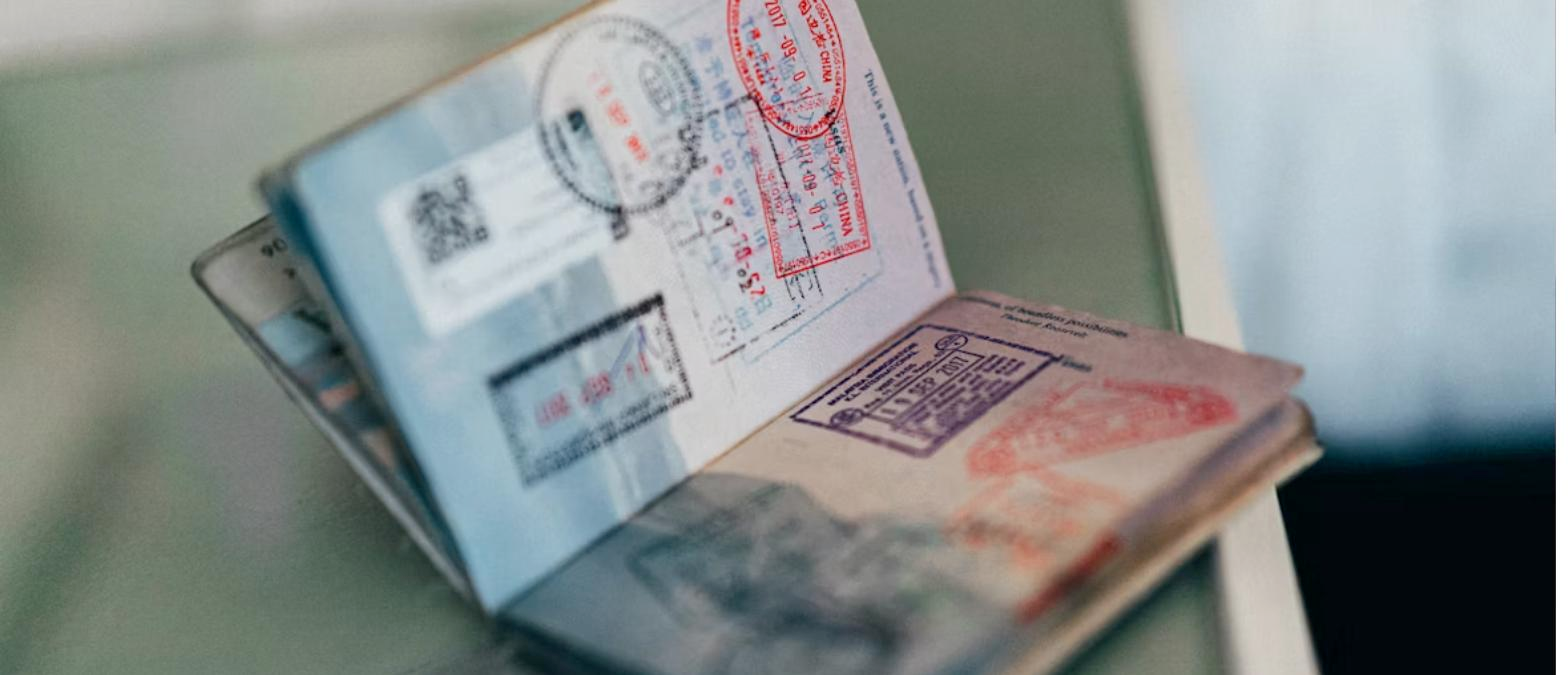

Canada study permit refusals have crossed a threshold Indian families cannot afford to ignore. A June 2026 analysis of over 2,800 IRCC study permit decisions by ApplyBoard’s Trust Centre found that IRCC refused 1,370 applications, or 49 percent. Even harder to accept, the same analysis showed that most of these refusals were preventable. The applicants were not unqualified. Their paperwork simply failed to prove the case a visa officer needed to see.
This blog breaks down the verified 2026 Canada study permit refusals data, the specific documentation failures IRCC keeps citing, and what Indian applicants can do differently before their next submission.
⚡ Quick Facts: 49% of applications refused in 2026 · 47% cited financial documentation gaps · 81% refusal rate for Indian applicants, the highest in 10 years
📊 The verified Canada study permit refusals numbers for 2026
Data from ApplyBoard’s Trust Centre, published via The PIE News on 22 July 2026.
- Of 2,800 plus Canada study permit decisions analysed in June 2026, IRCC rejected 1,370. Refusal rate of 49 percent.
- 47 percent of refusals cited lack of financial documentation as a reason. Single biggest driver.
- Other frequently cited reasons include purpose of visit judged inconsistent with a temporary stay, and no significant family ties outside Canada.
Wider IRCC data for context, reported by Careers360 and CIC News.
- Overall study permit approval rate has fallen from 57.9 percent in 2021 to 44.9 percent in 2024, and to 35.7 percent in 2025.
- Indian applicants have been hit hardest. IRCC’s own Visa Integrity report cited by Careers360 shows 81 percent of Indian study permit applications were refused in a recent quarter, the highest in ten years.
- IRCC has recently begun adding officer decision notes to refusal letters, a step ICEF Monitor and The PIE News flagged as a genuine transparency improvement.
💰 Why financial documentation drives the most Canada study permit refusals
The 47 percent figure is the number Indian families most need to internalise. This is not the same as saying half of Canadian applicants lack money. Most of the students refused for financial reasons actually had the funds. They failed to demonstrate those funds in a way an IRCC officer could trust. ICEF Monitor reported in July 2026 that Canadian visa officers are actively increasing their scrutiny of applicants’ financial documentation in 2026.
The specific documentation failures IRCC officers keep flagging include the following.
- Recently deposited large sums with no clear source of funds trail.
- Fixed deposits opened days before the application, giving the impression of window dressing.
- Sponsor income documents that do not match the sponsor’s role or historical earnings.
- GIC or education loan confirmations that are technically valid but inconsistently framed across the file.
- Missing tax returns or bank statements covering at least the last six months.
🎯 The intent based Canada study permit refusals matter almost as much
The second largest driver of Canada study permit refusals is the purpose of visit being judged inconsistent with a temporary stay. Under IRCC’s assessment framework, an officer must be satisfied you will leave Canada at the end of your studies. Vague post study plans, no family or property ties in India, and a course choice that does not fit your academic history all raise this concern.
This scrutiny has intensified because the Student Direct Stream (SDS) was closed on 8 November 2024. Since then, all Indian applicants are processed through the regular study permit stream, which uses a full profile assessment rather than the accelerated SDS pathway. This is confirmed by IRCC on canada.ca and reported by CIC News, Fragomen and Canadim.
✅ How Indian students can lower their Canada study permit refusals risk
- Build a six month paper trail of funds before you file. Sudden deposits get flagged instantly.
- Show the source of every large deposit. Tax returns, property sale deeds, salary slips, business registration.
- If a sponsor is funding you, add their tax returns, employment letter, salary slips, and clear relationship proof.
- Write an SOP that ties the course choice directly to your bachelor degree and to a plausible India based career path.
- Show ties to India. Family business, property, aging parents, professional network, all count.
- If you have a previous refusal, address it directly in your next application. Do not hope IRCC forgets. Their system already remembers.
🎓 How Learner Aid rebuilds a profile before Canada study permit refusals become a pattern

At Learner Aid, our Canada counselling now begins with a financial and intent audit before any university application is submitted. We build a paper trail that survives the current IRCC scrutiny, structure your SOP to answer the specific 2026 refusal patterns, coordinate GIC setup, prepare you for interview based visa scenarios, and support education loan planning through our associated partners including Axis, Yes Bank, HDFC Credila, IDFC First, Avanse and Auxilo. If you have already faced a refusal, or want to avoid one, talk to a Learner Aid counsellor before your next application goes in. In 2026, the difference is usually preparation, not eligibility.
📚 Verified sources referenced
- The PIE News, Nearly half of Canadian study visa refusals deemed preventable, published 22 July 2026.
- The PIE News, Canada rejects nearly two in three study permit applicants.
- ICEF Monitor, Canadian immigration officials increase their scrutiny of study permit applicants’ financial documentation, July 2026.
- CIC News, IRCC closes the Student Direct Stream, effective immediately (8 November 2024).
- Fragomen, Canada Student Direct Stream and Nigeria Student Express programs closed.
- Government of Canada, IRCC Student Direct Stream official notice.
- Careers360, Canada student visa rejections highest in 10 years, 81 percent of them Indian applications.