NETHERLANDS INTERNATIONALISATION IN BALANCE BILL | FALL 2027 UPDATE
Which Dutch programmes stay open, which are capped, and what Indian students should do now
The Netherlands has always been a quiet favourite on the Indian study abroad shortlist. Public tuition that is mostly under EUR 20,000. Over 2,100 English taught programmes. A 12 month post study job search visa. Cities like Amsterdam, Delft and Groningen that feel international the moment you arrive. For a decade, the pitch to Indian families wrote itself.
However, that pitch is changing. The Dutch government is pulling English programmes back toward Dutch, capping international intake and reshaping its bachelor offerings. The policy behind all of it is called the Netherlands Internationalisation in Balance bill, and if you are applying for Fall 2027, you need to understand it before you finalise your shortlist.
2,100+
English taught programmes
12 months
Zoekjaar job search visa
15 July 2026
Intake agreement signed
Feb 2027
Formal review of intake
Why the Dutch government is doing this
Lawmakers did not write the Netherlands Internationalisation in Balance bill with Indian students in mind. In fact, they wrote it for Dutch voters. Dutch university cities ran out of student housing years ago, and international enrolment roughly doubled in a decade. As a result, local students began feeling priced out of their own cities. Politicians then responded with a bill designed to pull the system back into balance, hence the name.
The bill targets three things:
TARGET 1
Language of instruction in classrooms
TARGET 2
Intake caps at programme level
TARGET 3
Approvals for new international programmes
How the Netherlands Internationalisation in Balance bill has evolved
2024
The previous Dutch government introduced the bill in 2024. Its original version proposed that Dutch should return as the default teaching language, with English programmes only allowed where universities could justify them. It also included a language of instruction test for English taught programmes.
January 2026
A new coalition agreed its programme in January 2026 and softened some of the sharpest edges. The mandatory language test was scrapped. However, the broader direction stayed.
15 July 2026
Dutch universities had already agreed to pause all new publicly funded English taught bachelor programmes until the policy picture settled. On 15 July 2026, the Ministry of Education and the universities signed an agreement that scheduled a formal review of international intake for February 2027.
October 2026
The most consequential move came in October 2026. The cabinet put a draft amendment to the bill out for public consultation. Its main change is dropping the language test for good, while universities keep a specific tool: they can cap places on a single language track of a programme, instead of the whole programme.
What the Netherlands Internationalisation in Balance bill actually does to your options
In plain English, a Dutch university can now cap only the English version of a programme while leaving the Dutch version wide open.
BEFORE
A numerus fixus applied to the entire programme, whatever the language.
NOW
Caps can target English speakers specifically, while the Dutch track stays open.
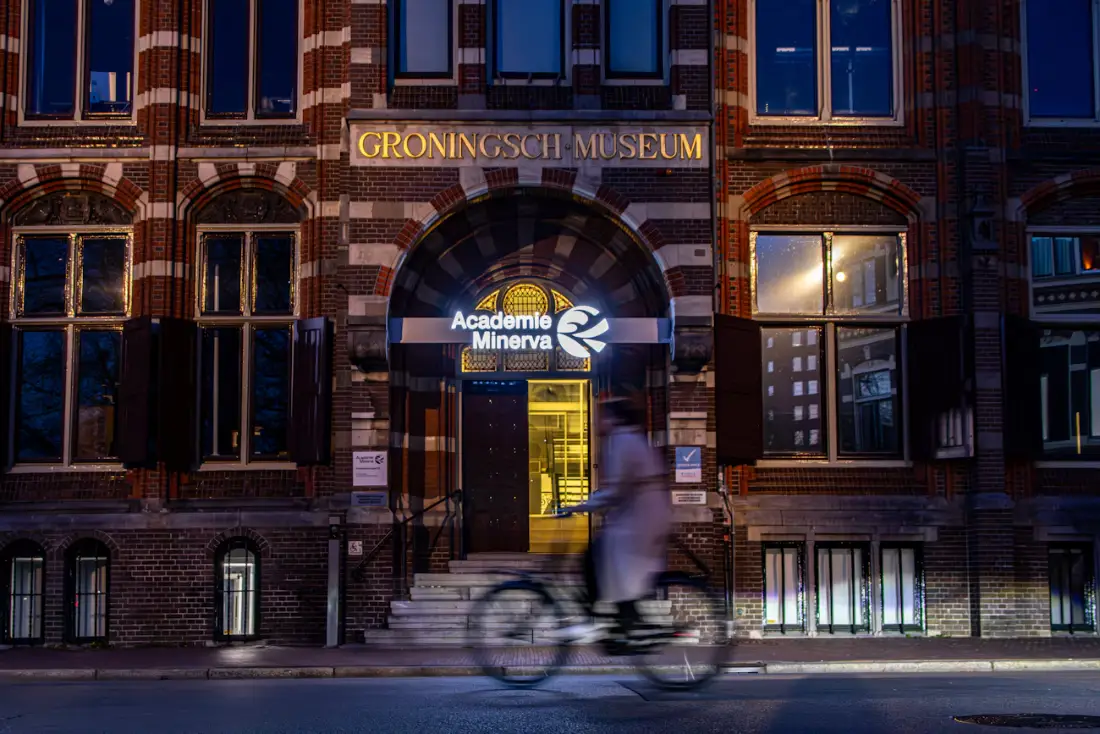
At least eleven degree programmes have already announced they are limiting intake on their English tracks. TU Delft retains numerus fixus caps on popular English taught bachelors like Computer Science and Engineering. In addition, more caps are expected after the February 2027 review.
Masters programmes are still your safest option
The good news for most Indian applicants is that masters programmes sit outside the direct firing line. Instead, the bill is overwhelmingly focused on the bachelor level. Masters degrees at TU Delft, TU Eindhoven, Wageningen, Rotterdam School of Management, Erasmus, VU Amsterdam and Groningen remain English taught and remain open.
Meanwhile, research masters at Dutch technical universities keep English as the working language of the research culture itself. For Indian STEM applicants, business students and research oriented masters candidates, the Netherlands remains a serious, viable choice.
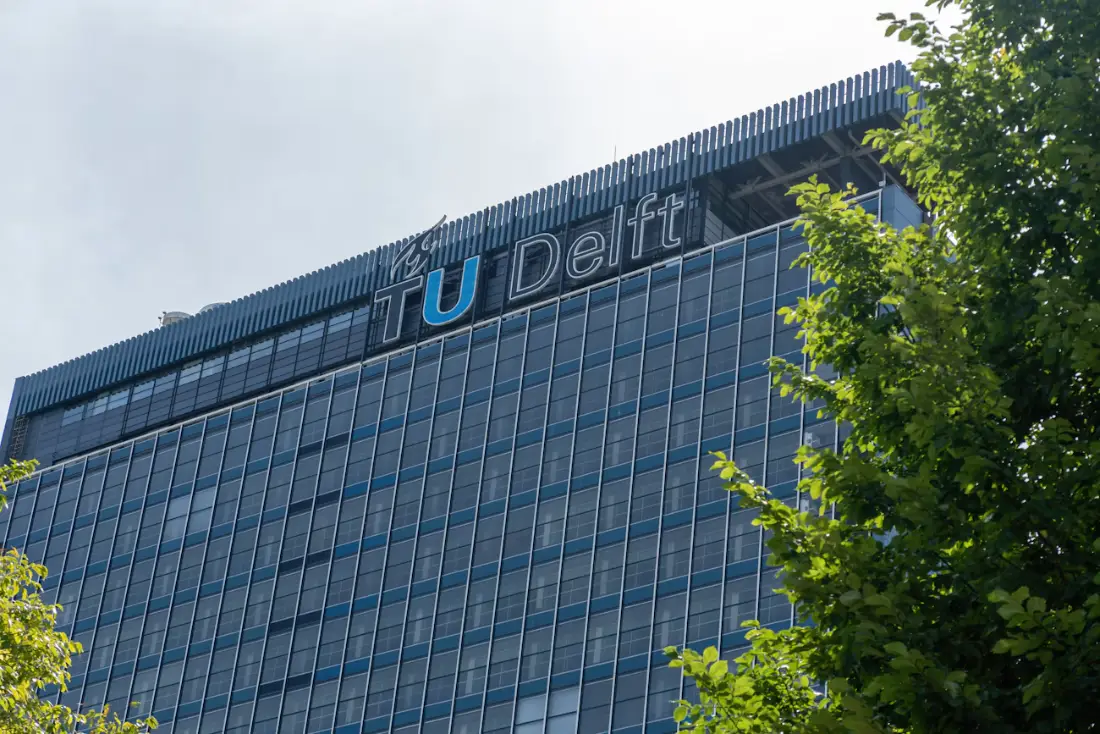
Bachelor programmes are where the squeeze is
If your plan was a Dutch bachelor, you have to be more careful. English taught bachelors are the direct target of the bill, so expect more caps, tougher admissions and no new English bachelor programmes while the policy is in flux. Programmes already running under numerus fixus will become more competitive, not less.
The practical response is simple. Apply early in the cycle, and confirm the language of instruction at the programme level, not the university level. Also keep Germany, Ireland and France shortlisted as parallel European options.
The post study pathway has not been touched
One part of the Dutch system remains completely intact. The Zoekjaar, formally the Orientation Year for Highly Educated Persons, continues to give graduates of Dutch bachelor, masters and PhD programmes 12 months of open work rights to search for skilled employment after graduation.
Once you secure a Highly Skilled Migrant role, the salary threshold for recent graduates is lower than the standard route, which makes the transition realistic for most Dutch masters graduates.
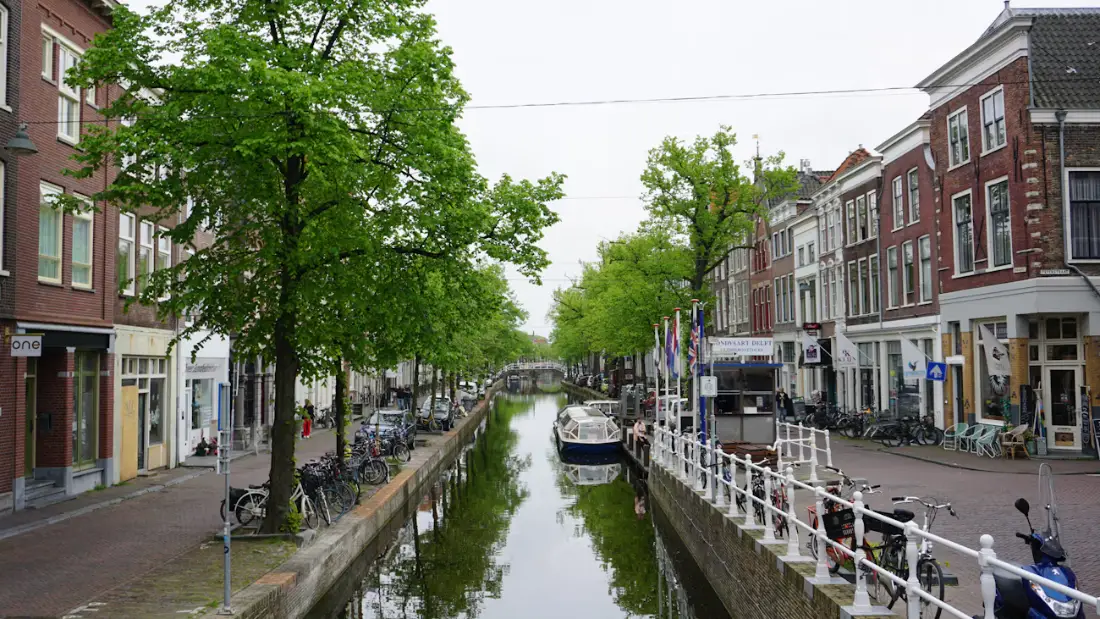
This remains one of the cleanest starter work regimes in Europe. The bill does not change it.
What to do if the Netherlands was on your list
If the Netherlands Internationalisation in Balance bill changes your plan, these five steps keep your Fall 2027 application on track. For a wider comparison, see our guide on how to choose a country to study abroad and how to shortlist universities.
1
Pick a masters over a bachelor if your profile allows it.
2
Confirm language of instruction programme by programme before applying.
3
Apply in the first half of the admissions cycle.
4
Keep Germany, Ireland and France shortlisted in parallel.
5
Watch for the February 2027 review. Any further caps should appear around then.
How Learner Aid helps with the Netherlands Internationalisation in Balance bill
At Learner Aid, our Netherlands counselling tracks the Netherlands Internationalisation in Balance bill in real time and adjusts student shortlists as the amendment moves through parliament. We confirm programme level language of instruction before you apply, and we prioritise masters programmes with the lowest policy risk for your profile.
We also plan your Zoekjaar and Highly Skilled Migrant pathway, and coordinate education loans through our associated partners including Axis, Yes Bank, HDFC Credila, IDFC First, Avanse and Auxilo.
Talk to a Learner Aid counsellor before you finalise your Dutch application list. The Netherlands is still a strong European choice, but it needs a sharper eye on which programmes are safe and which are not.
Sources referenced
- Study in NL, official Dutch international education portal
- Government of the Netherlands, balanced internationalisation of higher education
- Rijksoverheid, cabinet announcement on the amended bill, 5 October 2026
- Dutch Immigration and Naturalisation Service (IND), Study Permit and Orientation Year
- Universities of the Netherlands (UNL)
We last checked policy details on 19 November 2026. Rules can change, so confirm the language of instruction and any caps on each programme page before you apply.