
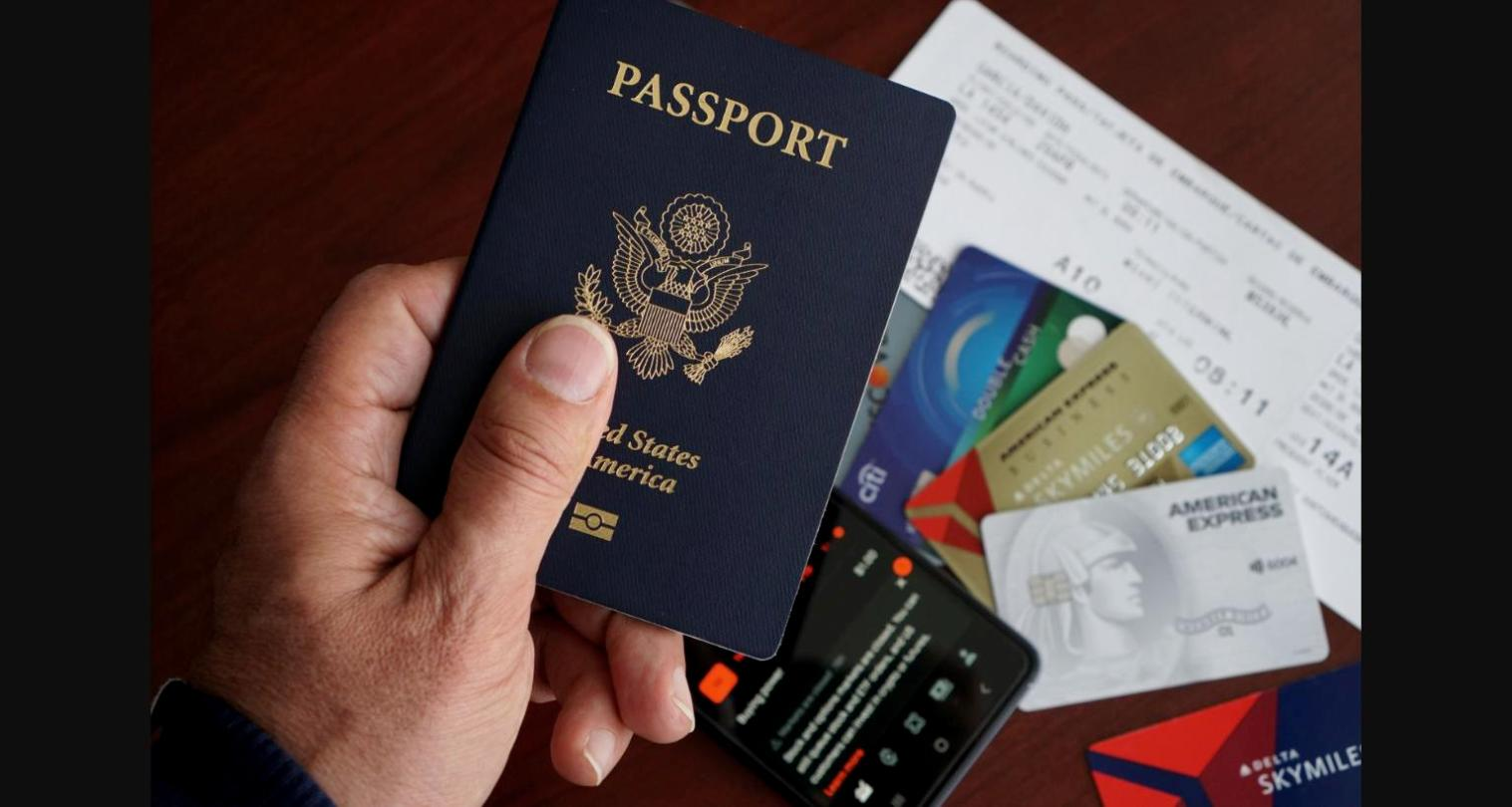
F-1 Duration of Status Rule is Now Final
DHS’s final rule ends open-ended F-1 stays and brings a 4-year cap, effective 15 September 2026
The Duration of Status rule for F-1 students is now final. Indian study-abroad families have been tracking this change since 2020. On 16 July 2026, the United States Department of Homeland Security announced the final rule, and the Federal Register formally published it the very next day. The old open-ended stay for F-1 students, which had been in place since 1991, is now ending.
From 15 September 2026, DHS will admit every new F, J or I visa student for a fixed period. The student’s Form I-94 will show this period directly. Indian students make up the largest international cohort in the US. So, this is the single biggest policy shift of the year for them. See our earlier coverage of the DHS Duration of Status rule proposal for background. Here’s a clear breakdown of what the rule says, when it takes effect, and what you should do next.
What the F-1 Duration of Status Rule Now Says
Until now, DHS admitted F-1 students for the duration of status. This meant they could stay in the US as long as they maintained full-time enrollment. The finalised F-1 Duration of Status rule replaces that with hard dates on the I-94.
- F-1 and J-1 visa holders receive status for the length of their programme, as listed on Form I-20 or DS-2019. The maximum is four years.
- Students get an extra 30 days for arrival, plus a 30-day grace period after programme completion. This halves the earlier 60-day grace period.
- The rule caps I visa media representatives at 240 days, with one 240-day extension available.
- Foreign language training students face a 24-month limit.
Some students need extra time beyond their I-94 date. This applies if they want to complete their course, take up OPT, or transition to STEM OPT. In that case, they must file Form I-539 with USCIS, pay the fee, and go through biometrics. DHS itself estimates this will generate over 414,000 additional filings each year. That comes on top of an existing 11.3 million case backlog.
Key Dates Every Indian Student Must Know
| Date | Event | Who It Affects |
|---|---|---|
| 16 July 2026 | Final rule announced by DHS | All F, J, I visa holders |
| 17 July 2026 | Rule published in Federal Register | All F, J, I visa holders |
| 15 September 2026 | Rule becomes effective | All new F-1 admissions from this date |
| 18 March 2027 | OPT special filing cut-off (day 244) | Existing D/S students filing OPT or STEM OPT |
| 14 November 2030 | Outer limit for transition students | Students already in the US on 15 Sept 2026 |
How the Rule Affects Students Already in the US

Suppose you are an F-1 or J-1 student already in the US on 15 September 2026. If your I-94 shows Duration of Status, you do not have to file an extension immediately. You can remain in the country up to whichever of the following comes first.
- The programme end date on your Form I-20 or DS-2019.
- The end date on your current post completion OPT or STEM OPT Employment Authorization Document.
- 14 November 2030, which is four years plus a 60-day departure window from the effective date.
Beyond any of those, you will need to file Form I-539 to extend your stay. There is also a special OPT transition window. This applies to D/S students who file Form I-765 for post-completion OPT or STEM OPT by 18 March 2027. In these cases, they do not need a separate I-539 extension for that period.
Impact on OPT, STEM OPT and the H-1B Pathway

The good news: the final F-1 Duration of Status rule preserves the core OPT and H-1B protections. The existing 180-day automatic extension for timely filed STEM OPT applications continues. The cap-gap protection, which extends F-1 status for students with pending H-1B change of status petitions, also remains in place.
The concern is timing. With a hard I-94 end date now in play, students must align things more carefully. This includes OPT applications, EAD validity, H-1B filing windows and international travel. Indian nationals, who make up roughly half of all OPT and STEM OPT participants, will feel this friction the most.
What Indian Students Planning Fall 2026 Intake Should Do
Suppose you are joining a US university after 15 September 2026. From day one, the new F-1 Duration of Status rule will apply to you. Here is a practical checklist to plan around.
- Confirm your programme length on Form I-20. A four-year undergraduate degree fits inside the cap. However, Pharm.D, architecture, integrated masters and any PhD track will need at least one I-539 extension.
- Do not plan to change your major or educational level in the first year of undergraduate study. The final rule restricts this unless SEVP grants an exception.
- Budget for an additional 400 to 600 US dollars if your programme runs beyond four years. This covers Form I-539 filing fees, biometrics and legal review.
- Keep your academic progress documentation, transcripts and DSO endorsements clean, as USCIS will scrutinise extension applications more carefully.
Legal Challenges to the F-1 Duration of Status Rule
Higher education associations are pushing back. NAFSA has called the finalised F-1 Duration of Status rule a misguided policy shift. The association has vowed to explore every available legal avenue to challenge it. The American Council on Education, along with more than forty higher education associations, filed formal opposition during the public comment period. As of now, no court has blocked the rule. It remains on track to become effective on 15 September 2026. Students should not plan around a possible injunction.
How LearnerAid Supports Students Under the New Rule
At LearnerAid, we are already updating our approach for every student joining a US university this year. This includes new US application timelines and pre-departure briefings. Our team helps you map your programme length against the four-year cap. We also help you plan for I-539 filings well in advance. In addition, we coordinate your visa documentation. We also connect you with trusted loan partners, including Axis, Yes Bank, HDFC Credila, IDFC First, Avanse and Auxilo.
Talk to a LearnerAid counsellor today to plan your US study journey with clarity on the finalised F-1 Duration of Status rule.